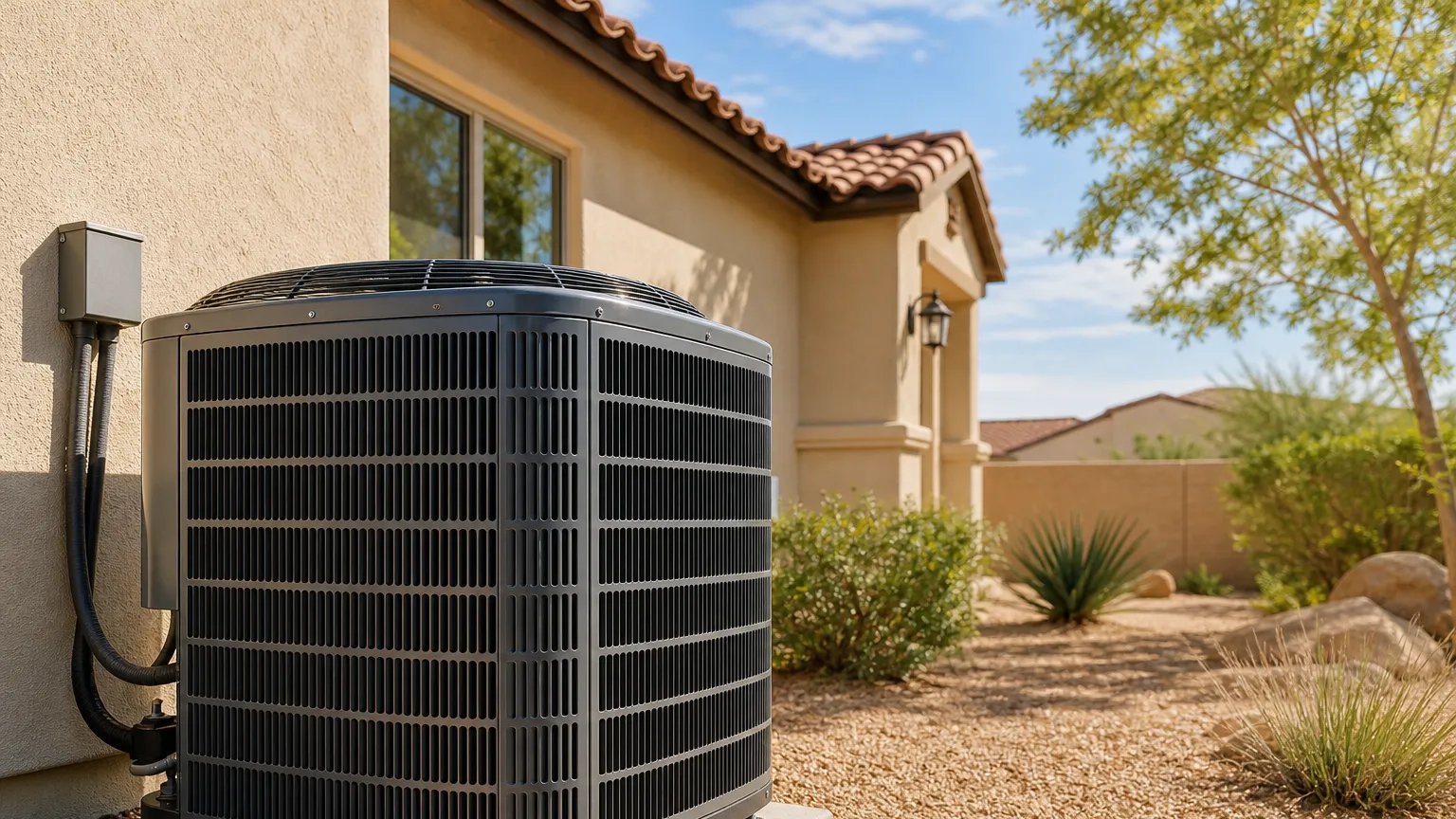
Texas homes are newer than the national average, but their systems run harder. These five facts should shape what you look for in a plan.
1. Air conditioning runs most of the year
According to NOAA's Texas State Climate Summary, the state averages about 20 days a year at 100°F or hotter over the long term, and temperatures have risen about 1.5°F since 1900. In 2011, Dallas-Fort Worth recorded 40 straight days above 100°F. Roughly 95% of Texas homes have air conditioning. That means the AC is usually the most expensive and most likely claim - and the place where plan differences matter most: the HVAC limit, how much refrigerant is covered, whether upgrades required by the refrigerant transition are covered, and whether permits and modifications are paid. Our R-410A phase-out guide explains why AC replacements now cost more and how each company handles it.
2. Most Texas homes heat with electricity
The U.S. Energy Information Administration found that about 61% of Texas homes heat with electricity, compared with 39% nationally, with natural gas at about 35%. Many of those homes use a heat pump - a single system that both heats and cools. A heat pump failure can take out your heating and cooling at once, so check how the plan classifies heat pumps (some plans have separate or lower limits) and read our heat pump guide.
3. Freezes are rare - but expensive
Winter Storm Uri in February 2021 produced 510,772 insurance claims and about $11.2 billion in expected insured losses, according to the Texas Department of Insurance, with damage from frozen pipes among the leading causes. A home warranty may repair a failed plumbing component, but water damage to your home is a homeowners insurance matter, and many contracts limit or exclude damage from freezing. If you're in a part of Texas where freezes are a risk, read the plumbing exclusions and keep your homeowners policy in mind.
4. Slab foundations and slab leaks
About 97.9% of new single-family homes started in the West South Central region (which includes Texas) in 2024 were built on concrete slabs, the highest share in the country, according to NAHB's analysis of Census data. When a water line under a slab leaks, reaching it can mean breaking concrete or rerouting pipes. Home warranty contracts typically cap or exclude this "access" cost - Choice, for example, limits access costs to $500 - so check the slab-leak and access terms if your home is on a slab.
5. Hard water wears out water heaters
Many Texas cities have moderately hard to hard water, which builds scale in water heaters and appliances. Check your city's annual water quality report for its hardness level. Scale-related failures can trigger maintenance-related denials, so flushing your water heater periodically - and keeping a record of it - helps protect a claim.
The upside: newer homes
Texas has one of the youngest housing stocks in the country: NAHB puts the median age of owner-occupied Texas homes at about 28 years (second youngest after Nevada), versus 42 nationally, and a 2024 Census-based analysis put the median year built at 1994. Newer systems mean fewer "wear and tear versus neglect" disputes - but many Texas homes now have AC systems at or past the 15-year mark, exactly when replacements start.